If you’ve lived in Spartanburg for more than one spring, you already know what’s coming. Sometime in late February or early March, everything turns yellow. Your car, your patio furniture, your doormat, and every horizontal surface within line of sight gets coated in a fine layer of pollen that doesn’t quit until late May. And that’s before the second wave hits in fall with ragweed and mold spores.
For most Spartanburg homeowners, pollen season is the time of year when outdoor living essentially stops. You love your porch. You’ve put money into that patio furniture. But sitting outside for more than twenty minutes leaves you sneezing, itchy-eyed, and ready to go back inside. This article makes the practical case for why a full porch enclosure installation in Spartanburg is the most effective long-term solution to that problem, and what your options actually look like.
Ready to stop losing your porch to pollen every spring? Talk to a local outdoor living specialist about enclosure options that fit your home.
Why Spartanburg’s Pollen Problem Is Particularly Severe
Upstate South Carolina consistently ranks among the higher pollen-burden regions in the country during spring months. The combination of factors is specific to this area. Spartanburg sits in a transition zone between the Piedmont and the Blue Ridge foothills, which means the area supports a wide variety of pollen-producing trees, grasses, and flowering plants that don’t all bloom at the same time.
The result is a pollen season that runs in overlapping waves rather than a single burst:
- Late February through April: Tree pollen peaks, led by oak, pine, cedar, and maple. Pine pollen is the most visible, producing that signature yellow coating on everything outdoors.
- April through June: Grass pollen takes over as tree season winds down. Bermuda and fescue grasses are heavy contributors in the Spartanburg area.
- August through October: Fall brings ragweed, mold spores, and a second round of certain grass pollens that catch many people off guard.
That’s a combined window of roughly seven to eight months where outdoor exposure is genuinely problematic for anyone with allergies or sensitivities. Even people without diagnosed allergies often find prolonged porch time uncomfortable during peak weeks.
What an Open Porch Actually Does During Pollen Season
An open or partially covered porch offers essentially no protection against airborne pollen. In fact, a covered porch can sometimes concentrate pollen more than an open yard because the roof traps settling particles and limits the airflow that would otherwise carry them away.
Porch furniture, cushions, and rugs act as collection surfaces. Every time you sit down, you’re disturbing accumulated pollen and breathing it in at close range. Cleaning helps, but in Spartanburg during peak pine pollen weeks, surfaces recoat within hours of being wiped down.
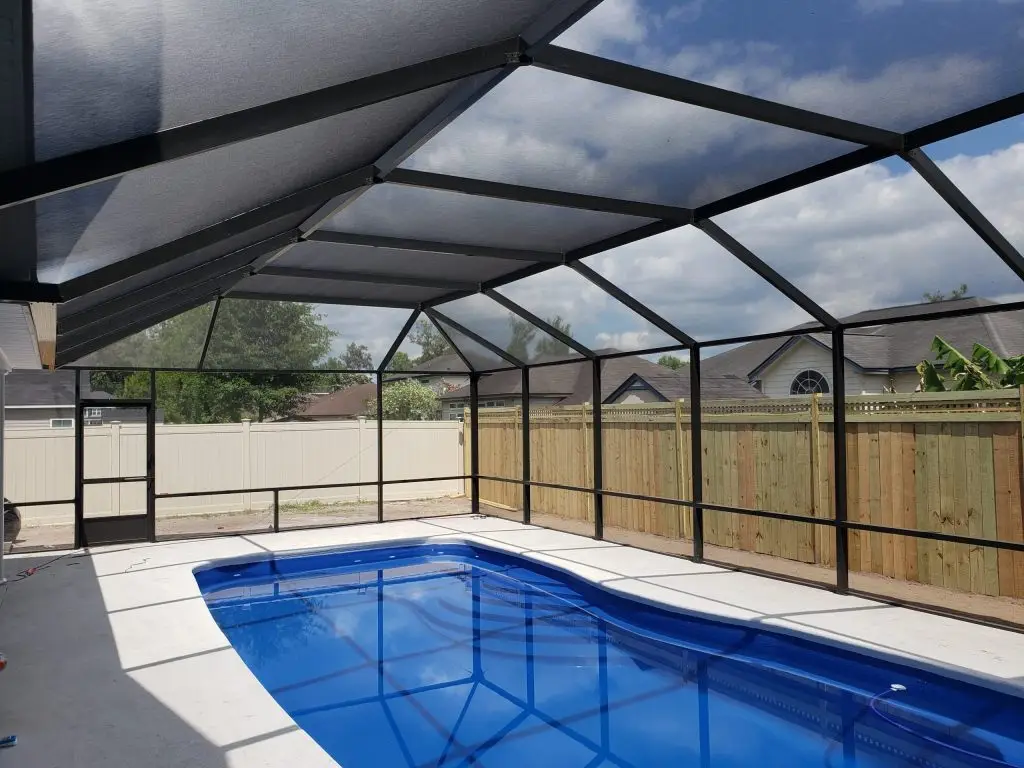
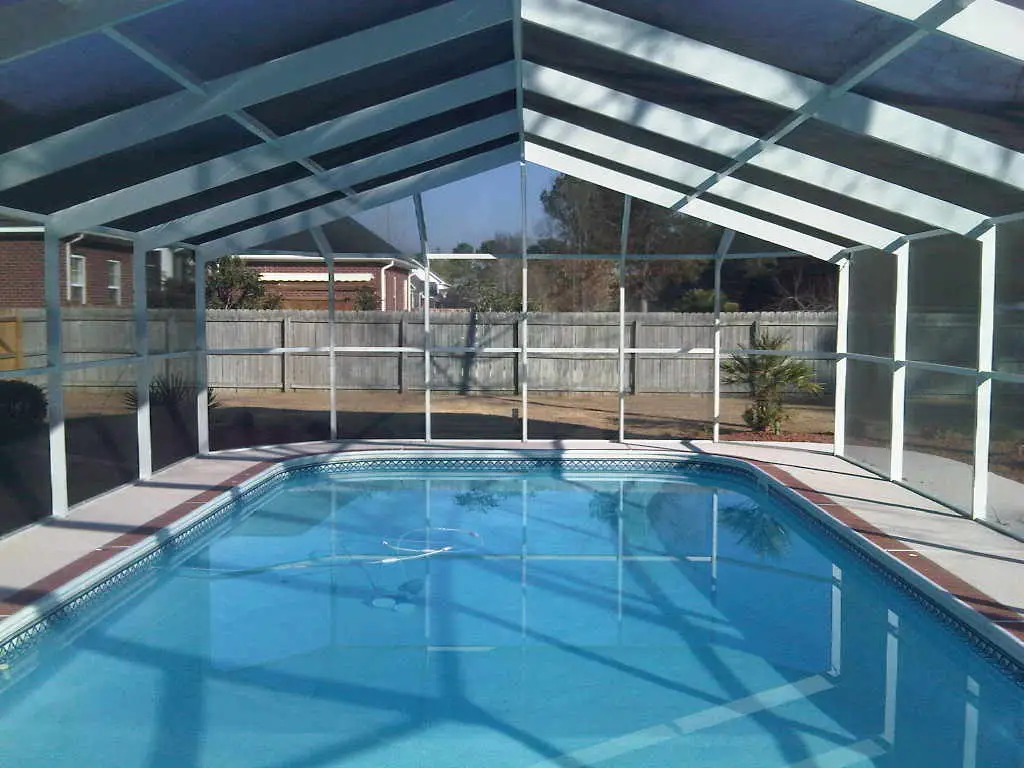
An open screened porch does a little better. Fine mesh screen reduces the volume of pollen that enters the space, but it doesn’t eliminate it. Pollen particles, especially fine tree pollens, are small enough to pass through standard screen mesh or be carried in on air currents through gaps around doors and frames. You’ll notice a difference, but you won’t have solved the problem.
Why a Full Enclosure Changes the Equation
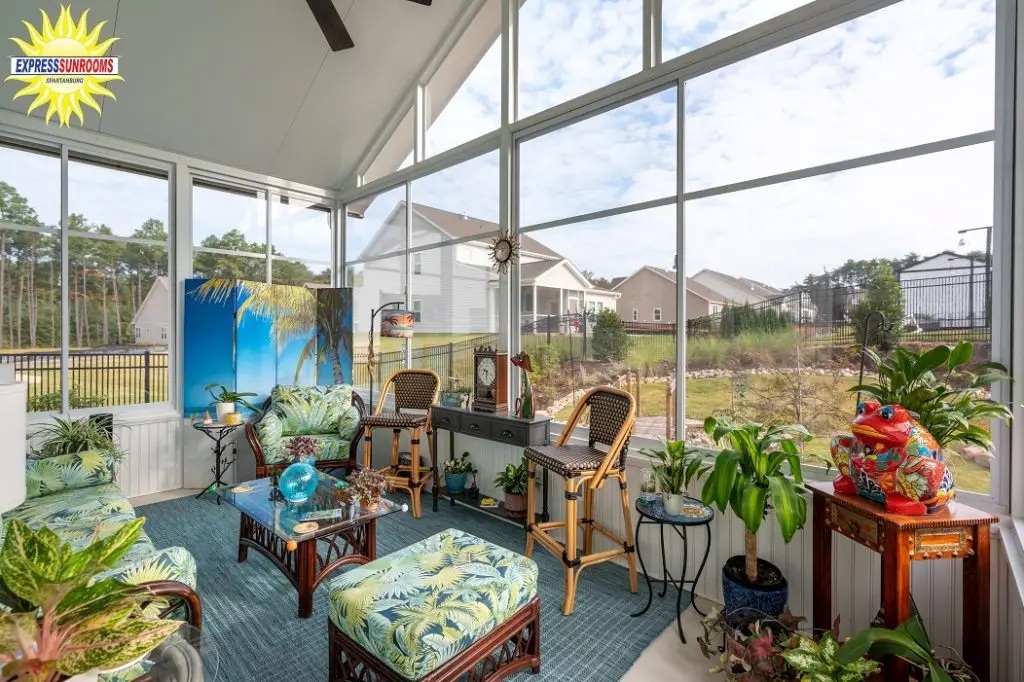
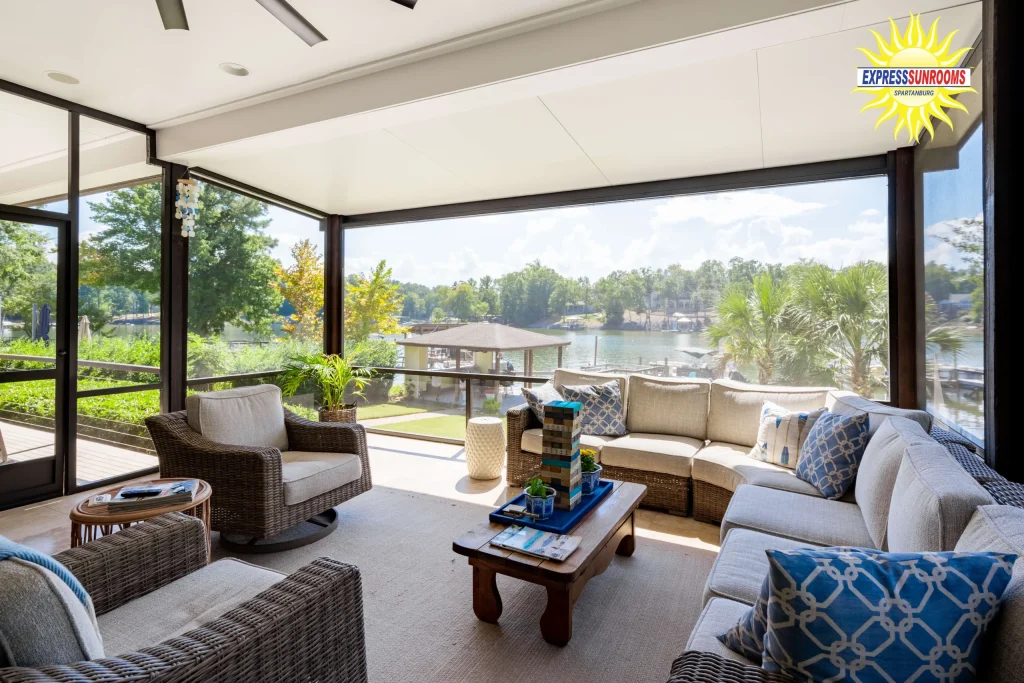
A fully enclosed porch, one with solid panels, vinyl glazing, or insulated walls rather than an open screen, creates a genuine barrier between you and outdoor air. This is the meaningful distinction. It’s not about filtering pollen out of the air inside the enclosure. It’s about preventing pollen-laden outside air from freely circulating through your living space.
When you close up a properly built porch enclosure during high-pollen hours, the space inside stays cleaner than the air outside. That’s the basic value proposition. You’re not running an air purifier or wearing a mask. You’re simply creating a physical separation between your relaxing space and the outdoor environment that’s causing the problem.
The practical benefit shows up immediately. You can have coffee on your enclosed porch during peak pollen hours in April. You can open the windows in the evening when pollen counts drop, and air quality improves. You have control over when your space is open to outside air and when it isn’t.
Your Enclosure Options and How They Stack Up for Pollen
Not all enclosure types provide the same level of pollen protection. Here’s an honest look at what each option delivers:
| Enclosure Type | Pollen Protection | Seasonal Use | Notes |
| Open screen panels | Partial | Spring to fall | Reduces volume but doesn’t eliminate fine pollen |
| Vinyl-glazed panels (operable) | Good | Spring to fall | Closeable during high-pollen hours; ventilates in evenings |
| Three-season insulated enclosure | Very good | March through November | Solid walls with operable windows; excellent pollen control |
| Four-season fully insulated enclosure | Excellent | Year-round | Full thermal barrier; best overall pollen and allergen protection |
| Motorized retractable screens | Moderate | Spring to fall | Flexible but not a sealed environment when deployed |
For homeowners whose primary concern is pollen, vinyl-glazed operable panels and three-season insulated enclosures deliver the best balance of usability and protection. You get a space that can be closed down tight during the worst pollen days and opened up fully on the pleasant evenings that Spartanburg delivers throughout the same season.
The Vinyl Glazing Advantage for Pollen Season
Vinyl-glazed enclosure systems are worth calling out specifically because of how well they suit Spartanburg’s pollen calendar. Operable vinyl panels can be fully opened during low-pollen periods, typically early mornings after rain, evenings, and days with significant wind from the west, and closed during high-pollen hours in the afternoon when counts peak.
This flexibility is something a fixed glass enclosure doesn’t always offer as naturally. And because vinyl panels are lightweight and easy to operate, adjusting them based on daily pollen conditions is genuinely practical rather than a chore. You’re not committing to either a fully open or fully closed space. You’re managing the environment in real time based on what’s happening outside.
Vinyl glazing is also available in multiple tint options, which doubles as sun control during the same spring and summer months when pollen is at its worst. That combination of pollen protection and heat management in a single system is a real advantage for Spartanburg’s climate.
Beyond Pollen: What Else an Enclosure Solves
Pollen is the most seasonal and dramatic reason to enclose a porch in Spartanburg, but it’s rarely the only one. Homeowners who enclose their porches for pollen reasons consistently report that the same investment solves several other problems at the same time.
- Insects: Mosquitoes, gnats, and no-see-ums are a significant issue from May through September. A full enclosure eliminates them entirely rather than just reducing them.
- Afternoon heat: An enclosed space with the right glazing manages solar heat gain far better than an open porch, making midday use in July actually comfortable.
- Rain: Spartanburg gets reliable afternoon thunderstorm activity in summer. An open porch clears out the moment a storm rolls in. An enclosed porch stays usable.
- Dust and debris: Fall leaf season and summer windstorms deposit debris on open porches continuously. An enclosure keeps the space clean between uses with minimal effort.
All of those benefits stack on top of the pollen protection to make the investment pay off across a much broader stretch of the year than just peak spring weeks.
Is This a Good Fit for Your Porch?
Most Spartanburg homes with an existing covered porch are strong candidates for a full enclosure. The existing roof structure does the heavy lifting structurally, which keeps costs more accessible than a freestanding screen enclosure built from scratch. If your covered porch is in good structural shape, the enclosure conversation is really about choosing the right panel system for how you want to use the space.
For homes without an existing covered area, a screen room or screen enclosure installation that includes a new roof structure is the starting point. Either way, a site visit from a local contractor will answer the structural questions quickly and give you a realistic picture of what’s involved.
Frequently Asked Questions
Does a screened porch actually help with pollen in Spartanburg?
It helps somewhat. Standard screen mesh reduces the volume of pollen entering the space, but fine tree pollens and grass pollens are small enough to pass through the screen or enter through gaps. A screened porch is meaningfully better than an open one, but it doesn’t create a pollen-free environment the way a fully enclosed system with operable panels does.
When is pollen season worst in the Spartanburg area?
Tree pollen, led by oak and pine, peaks from late February through April. Grass pollen runs from April through June. A second wave of ragweed and mold spores arrives in late summer and fall. The most intense single period is typically mid-March through late April, when multiple pollen types overlap.
How do I keep pollen out of an enclosed porch once it’s built?
Keep operable panels or windows closed during peak pollen hours, typically late morning through mid-afternoon on dry, windy days. Wipe down surfaces with a damp cloth rather than dry dusting, which just redistributes settled pollen. Running a small air purifier inside the enclosed space during peak season adds an extra layer of protection.
Will a porch enclosure help with fall allergies too?
Yes. The same physical barrier that keeps spring tree pollen out also blocks fall ragweed pollen and mold spores. Fall allergy sufferers in Spartanburg often find an enclosed porch extends their comfortable outdoor season well into October and November.
Does enclosing a porch require a permit in Spartanburg County?
In most cases, yes. Permanently enclosing an existing porch alters the exterior of your home and typically requires a building permit through Spartanburg County or the City’s Building and Codes Department. A reputable local contractor will include permitting as part of the project scope.
Ready to Take Your Porch Back from Pollen Season?
Talk to a Local Enclosure Specialist
Pollen season in Spartanburg is predictable. It comes every year, and every year homeowners with open porches lose months of outdoor living to it. A full porch enclosure is the practical, lasting fix. Express Sunrooms of Spartanburg has helped Upstate homeowners reclaim their outdoor spaces with enclosures built specifically for this climate. Reach out to schedule a site visit and find out what makes sense for your home.