
A pergola is one of the more versatile outdoor living additions you can make to a Spartanburg home. It adds shade, structure, and a defined outdoor room without the full commitment of an enclosed addition. But once you’ve decided a pergola is the right direction, the next question comes up quickly: should it be attached to the house or freestanding in the yard?
It’s not a purely aesthetic decision. The two configurations perform differently, permit differently, suit different yard layouts, and carry different long-term implications for your home. This article walks through the practical pros and cons of each so you can make a well-informed choice before you start collecting quotes.
Not sure which configuration fits your yard and how you use your outdoor space? Speak with a local pergola builder in Spartanburg County who can walk through the options based on your specific property.
What the Difference Actually Means
Before getting into pros and cons, it helps to be precise about what each configuration involves.
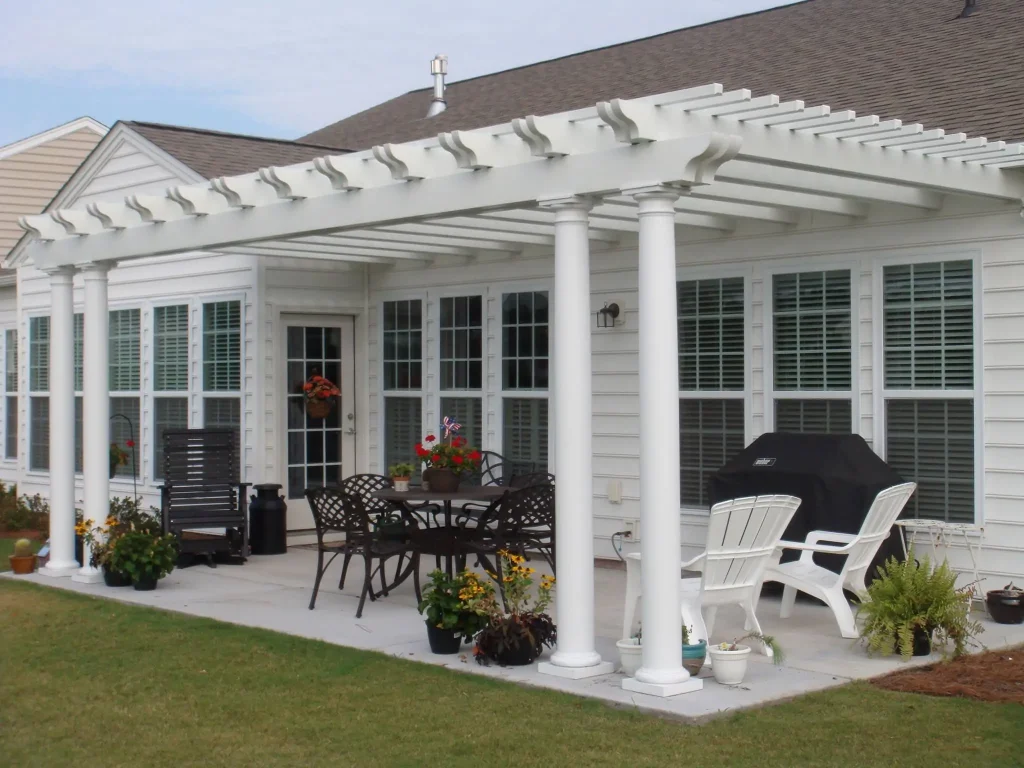
An attached pergola connects directly to your home’s exterior wall or roofline. One side of the structure is anchored to the house, which supports that edge of the pergola. The result is a covered outdoor area that flows directly from an interior space, typically a back door, sliding glass door, or kitchen exit.
A freestanding pergola stands independently in the yard with its own four posts and doesn’t connect to the house. You can position it anywhere on the property where the ground and setback requirements allow, and it functions as a standalone outdoor room rather than an extension of the home.
Both can use the same roof styles, materials, and features. The difference is entirely structural and positional, but those differences have real downstream effects on cost, use, and permitting.
Attached Pergolas: Pros and Cons
The Case for an Attached Pergola
Direct access from the home
This is the most cited advantage of an attached pergola. When the structure connects directly to your back door, you can move between your kitchen, living room, and outdoor space without stepping off a covered surface. For Spartanburg homeowners who entertain regularly or want to use the space for outdoor dining, that connection matters practically. You’re not carrying food and drinks across an open yard to reach a separate structure.
Feels like a natural extension of the house
An attached pergola visually and functionally extends your home’s footprint. Done well, it reads as a deliberate architectural addition rather than a standalone feature in the yard. This tends to translate well to resale value and curb appeal because buyers immediately understand how to use the space.
Shared structural support reduces cost
Because one side of the pergola is anchored to the house, the structure requires fewer independent posts and footings than a freestanding version of the same size. That reduction in materials and labor typically makes an attached pergola somewhat less expensive to build at a comparable square footage.
Shade where you need it most
Attaching the pergola directly outside a south or west-facing door gives you shade control over the area immediately adjacent to the house, which is often the hottest and most sun-exposed zone in a Spartanburg backyard during afternoon hours.
The Drawbacks of an Attached Pergola
Attachment to the house requires careful waterproofing
Any structure connected to your home’s exterior wall creates a potential water intrusion point if the flashing and sealing aren’t done correctly. In Spartanburg’s regular summer rainstorm season, a poorly sealed attachment point can cause water damage to the exterior wall or interior over time. This isn’t a reason to avoid an attached pergola, but it is a reason to make sure your contractor handles the connection detail properly.
Your home’s wall must be structurally suitable
Not every exterior wall is equally suited to supporting an attached pergola. Stucco, certain vinyl siding types, and older wood siding all present different attachment challenges. A contractor should assess the wall condition and framing before committing to an attached design.
Placement is fixed
An attached pergola goes where your house allows it to go. If your primary exterior door doesn’t face the best orientation for shade or the view you want, you’re constrained by the home’s footprint in a way that a freestanding structure wouldn’t be.
May require more involved permitting
Because an attached pergola connects to the home, it’s typically treated as a home addition for permitting purposes, which can involve a more detailed review process than a freestanding structure in some jurisdictions.
Freestanding Pergolas: Pros and Cons
The Case for a Freestanding Pergola
Placement flexibility
A freestanding pergola can go anywhere on your property where setbacks and soil conditions allow. Want it centered over a garden area? Near the pool? At the far end of the yard as a destination space? All of those are options that an attached structure can’t provide. For Spartanburg homeowners with larger lots or a specific outdoor feature they want to anchor, that flexibility is genuinely valuable.
No impact on the home’s exterior
A freestanding pergola doesn’t touch the house, which means there are no attachment points to seal, no siding to cut into, and no risk of water intrusion at a connection point. The home’s exterior remains unaffected regardless of what happens to the pergola over time.
Easier to reposition or remove
A freestanding pergola, particularly one set on surface-mounted post bases rather than poured footings, can theoretically be moved or removed without leaving permanent marks on the house. For homeowners who anticipate selling in the near future or who aren’t certain about a permanent installation, that reversibility has appeal.
Suits yards where the home’s orientation doesn’t cooperate
If your back door faces north and the sun hits a different part of your yard during the hours you’re most often outside, a freestanding pergola lets you put shade coverage exactly where you want it rather than where the house dictates.
The Drawbacks of a Freestanding Pergola
Requires more posts and footings
Without the house providing support for one side, a freestanding pergola needs four full posts anchored in the ground, each with its own footing. That adds material cost, labor, and site preparation compared to an attached version of similar size. On softer or clay-heavy soils, common in parts of Spartanburg County, footing depth requirements can add further to the scope.
Separated from the house means less convenience
Walking across an open yard to reach your pergola is a different experience from stepping directly out of your kitchen onto a covered structure. In Spartanburg’s summer heat, that walk across an unshaded yard in the afternoon is a real deterrent. The separation also makes running electricity and lighting to the structure more involved and expensive.
Can feel disconnected from the home
A freestanding pergola positioned far from the house sometimes reads as a yard accessory rather than a functional outdoor room. Getting the placement and scale right is more important with a freestanding structure because it doesn’t have the visual anchor of the home behind it.
How Spartanburg’s Climate Affects the Choice
A few climate-specific considerations are worth factoring into your decision.
Sun orientation matters a lot here
Spartanburg summers are intense, and afternoon sun from the west is the primary driver of outdoor discomfort from May through September. An attached pergola on a west-facing wall can meaningfully shade the house exterior and reduce heat gain through windows and doors during peak afternoon hours. A freestanding pergola positioned well can do the same for specific yard areas, but it won’t help with the house’s thermal performance.
Storm wind loads
Upstate South Carolina sees regular severe thunderstorm activity with significant wind gusts. Both attached and freestanding pergolas need to be properly engineered and anchored for this. An attached pergola benefits from the additional stability of the house connection. A freestanding pergola relies entirely on its footings and post connections for stability, making build quality and proper anchoring especially important.
Louvered systems for rain management
Spartanburg’s afternoon thunderstorm season means an open-roof pergola gets rained on regularly. A motorized louvered pergola with adjustable roof slats addresses this directly by allowing you to close the louvers when rain arrives and open them when the sky clears. This feature is available in both attached and freestanding configurations and is worth considering seriously given Spartanburg’s summer weather patterns.
Which Configuration Is Right for Your Yard?
The right choice depends on a combination of your yard layout, how you plan to use the space, and your priorities between convenience and flexibility. Here’s a straightforward way to think through it:
An attached pergola is likely the better fit if:
- Your primary outdoor living area is directly adjacent to a back or side door
- You entertain frequently and want seamless flow between indoors and outdoors
- Your lot is smaller and yard space is limited
- You want the pergola to feel like part of the home rather than a separate yard feature
A freestanding pergola is likely the better fit if:
- You have a specific yard location in mind that isn’t adjacent to the house
- You want to create a destination outdoor space near a pool, garden, or view
- Your home’s exterior orientation doesn’t place the ideal spot next to a door
- You prefer no structural connection to the house
When the choice still isn’t obvious after working through those criteria, a site visit from an experienced local contractor is the most efficient way to get a clear recommendation. Seeing the actual yard, the sun angles at different times of day, and the existing outdoor features makes the right configuration much more apparent than any checklist can.
Frequently Asked Questions
Do pergolas require a permit in Spartanburg County?
It depends on the size and whether the structure is attached to the home. Attached pergolas typically require a building permit since they connect to the home’s structure. Freestanding pergolas may or may not require a permit depending on their size and your specific zoning district. Your contractor should confirm the requirements for your property before work begins.
How long do pergolas last in Spartanburg’s climate?
A well-built aluminum pergola with a quality powder-coat finish is built for decades of use in Upstate South Carolina’s humidity and UV conditions. Wood pergolas require regular sealing and maintenance to prevent rot and weathering in South Carolina’s climate. Aluminum is generally the lower-maintenance and longer-lasting choice for this region.
Can I add a motorized louvered roof to either an attached or freestanding pergola?
Yes. Motorized louvered roof systems are available for both configurations. They’re one of the most practical upgrades for Spartanburg homeowners given the area’s frequent afternoon thunderstorms and intense summer sun. The louvers close to keep rain out and open to allow full sunlight and airflow when conditions are good.
What’s the typical cost difference between attached and freestanding pergolas?
Attached pergolas are generally somewhat less expensive at the same square footage because they require fewer posts and footings. However, if the home’s exterior wall requires significant preparation or specialized attachment hardware, that cost advantage can narrow. A site-specific quote from a local contractor gives you the most accurate comparison for your property.
Can a pergola be converted to a more enclosed structure later?
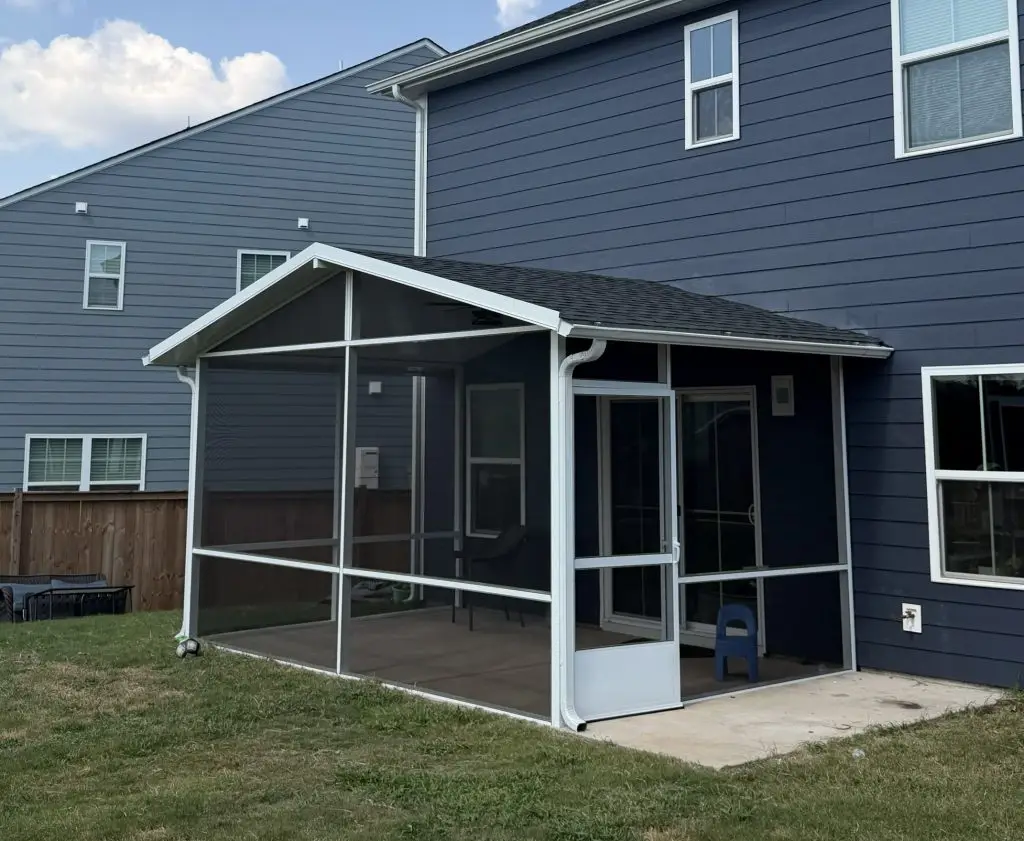
Yes, and this is a common upgrade path for Spartanburg homeowners. A well-built pergola can serve as the starting structural foundation for adding a solid or louvered roof, screen panels, or even a more complete patio cover down the road. Planning for that possibility during the initial build, by sizing posts and footings appropriately, makes future upgrades simpler and less expensive.
Ready to Start Planning Your Pergola?
Talk to a Spartanburg Outdoor Living Specialist
Whether an attached or freestanding pergola fits your yard better, the next step is the same: a conversation with someone who builds both and can look at your specific property. Express Sunrooms of Spartanburg has helped Upstate homeowners add pergolas, covered patios, and outdoor living structures across the Spartanburg area. Reach out to schedule a site visit and get a recommendation based on your actual yard and goals.