Adding a pool enclosure is one of the more involved outdoor living projects a Spartanburg homeowner can take on, and it’s also one of the most searched. People want a real number before they call anyone. The problem is that pool enclosure pricing has more variables than almost any other outdoor structure, which is why quotes can look wildly different from one contractor to the next even for what seems like the same job.
This article breaks down what pool enclosures actually cost in the Spartanburg area, what drives the price up or down, and what questions to ask before you commit to a contractor. As local sunroom and enclosure contractors in Spartanburg, we’ve worked on enclosure projects across Upstate South Carolina and know what homeowners in this market actually encounter.
Want a realistic number for your specific pool and property? Reach out for a site assessment and a quote based on your actual setup.
What Does a Pool Enclosure Cost in Spartanburg?
Pool enclosure pricing in the Spartanburg area varies significantly based on pool size, enclosure height, structure type, and materials. That said, here’s a general picture of what homeowners can expect at different levels:
| Enclosure Type | Typical Starting Cost |
| Low-profile screen enclosure (small pool) | Starting around $18,000 to $30,000 |
| Standard screen enclosure (mid-size pool) | $30,000 to $55,000 |
| Large pool | $55,000 to $90,000+ |
| Insulated or solid roof pool enclosure | $24,000 to $80,000+ depending on the pool size |
These are installed estimates that include materials, framing, screening, footings, and standard permitting. They don’t include optional upgrades like motorized screens, specialty glazing panels, lighting, or ceiling fans. Your final number will depend heavily on the specifics of your property and the type of enclosure you choose.
The Biggest Factors That Affect Pool Enclosure Cost
Unlike a porch or patio cover, a pool enclosure has unique structural and site requirements that push pricing in directions homeowners don’t always anticipate. Here are the factors that matter most.
Pool Size and Shape
This one is straightforward. A larger pool requires a larger enclosure footprint, which means more framing, more screen material, more posts, and more labor. An irregularly shaped pool, such as a kidney or freeform design, adds complexity to the framing layout and can increase both material waste and installation time compared to a rectangular pool of similar square footage.
Enclosure Height
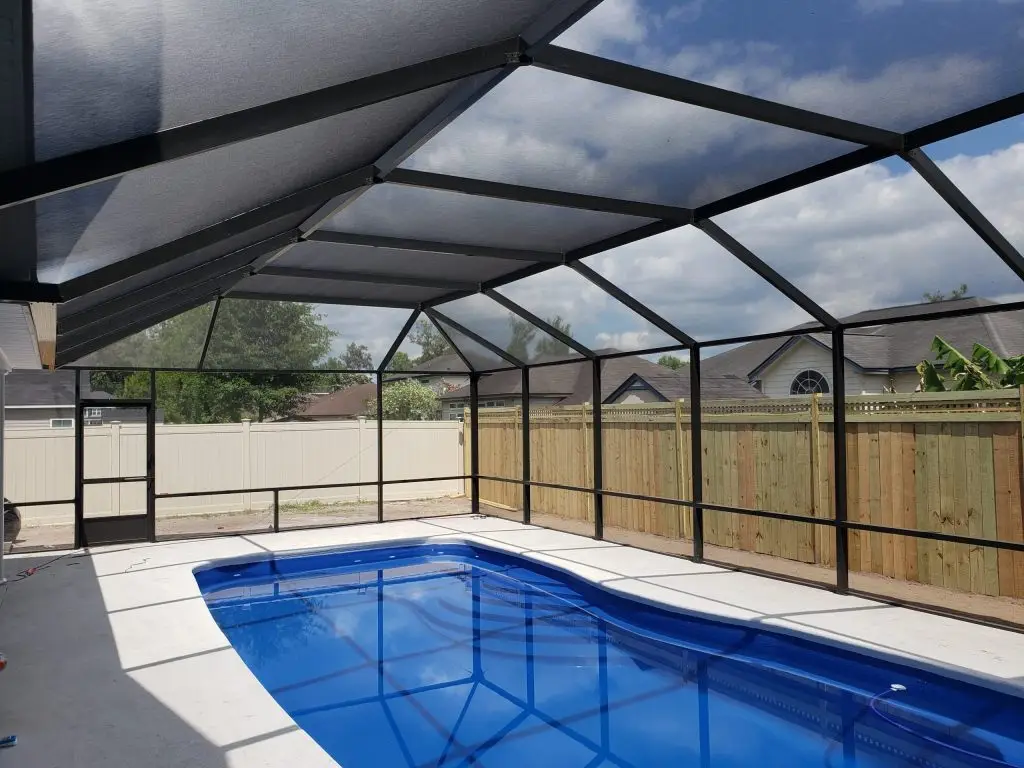
Height is one of the most significant cost drivers in pool enclosure projects, and it’s one that surprises many homeowners. A low-profile enclosure that sits just a few feet above the pool deck is structurally simpler and uses less material. A high-profile or cathedral-style enclosure that gives you full standing room across the entire perimeter and rises to a peak over the center of the pool requires considerably more aluminum framing, engineered support, and installation labor.
If you want to be able to use a diving board, install a slide, or simply walk around the pool perimeter without ducking, you’ll need a taller structure. That comfort comes with a meaningful price increase.
Enclosure Structure Type
Not all pool enclosures are built the same way. The structure type you choose affects both cost and long-term usability.
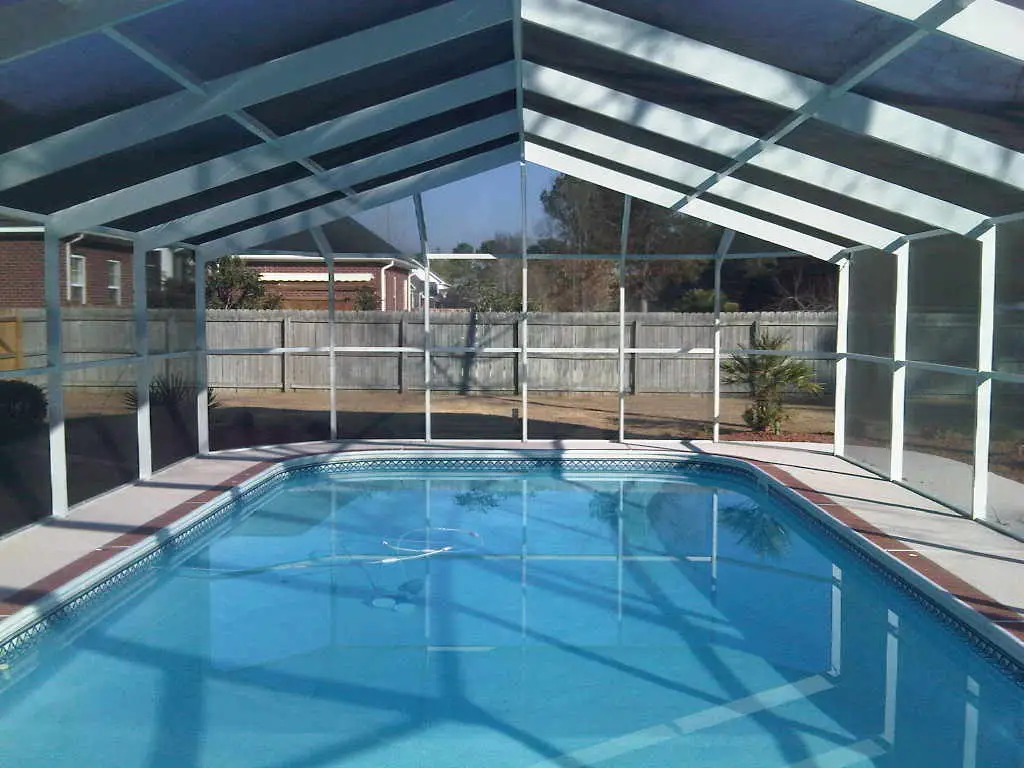
- Screen-only enclosures use aluminum framing with fiberglass or aluminum mesh screen panels. They keep bugs, debris, and leaves out of the pool while allowing airflow. This is the most common and most affordable pool enclosure type.
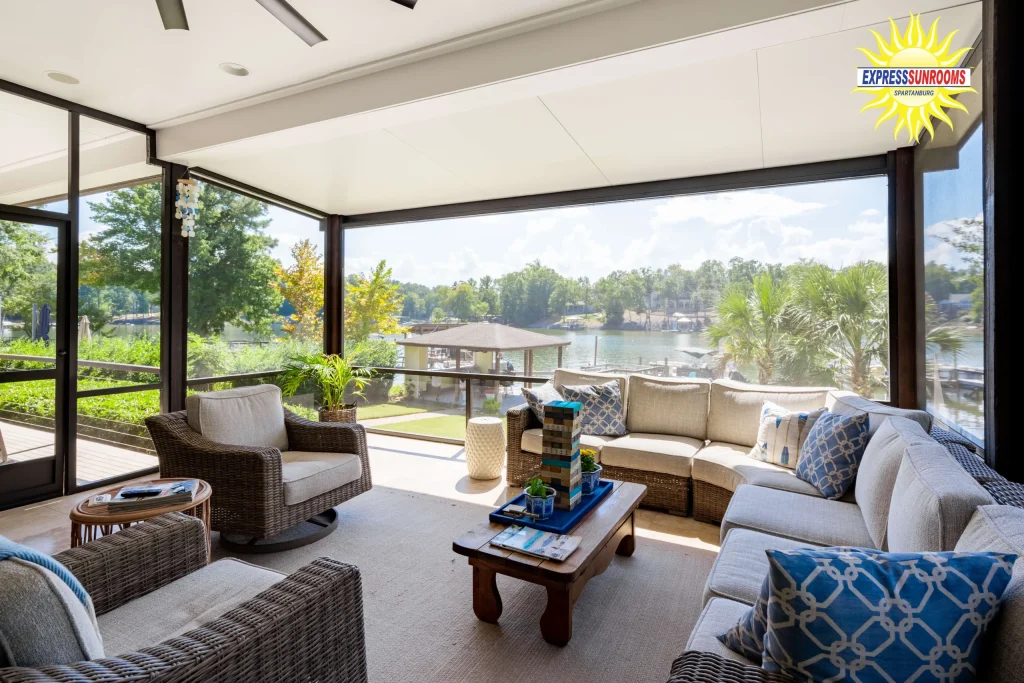
- Partial solid roof enclosures incorporate insulated or solid roof panels over a portion of the structure, typically above a seating or lounging area, with screen panels covering the rest. This gives you shade and weather protection in the areas you use most.
- Fully enclosed solid roof structures use insulated panels throughout and function more like a pool room than a traditional enclosure. These are significantly more expensive but allow year-round pool use in all weather conditions.
Aluminum Framing Grade
Pool enclosures are built almost exclusively with aluminum framing because it resists corrosion in the wet, chemically active environment around a pool. However, not all aluminum is equal. Heavier gauge aluminum extrusions cost more upfront but hold up significantly better over time, particularly in Spartanburg’s combination of summer humidity, UV exposure, and occasional severe storms. Lighter gauge systems are cheaper initially but may require earlier replacement or repair.
Foundation and Footing Requirements
A pool enclosure needs a proper foundation. If you have an existing concrete pool deck that extends around the full perimeter, it can often serve as the base for the enclosure posts, which reduces costs. If your deck doesn’t extend far enough, is cracked or settling, or doesn’t have sufficient thickness to anchor posts properly, additional concrete work will be needed before the enclosure goes up.
Soil conditions matter too. Spartanburg’s clay-heavy soils can shift seasonally, which affects footing depth requirements. Your contractor should assess the ground conditions as part of the quoting process.
Permitting and Engineering Requirements
Pool enclosures in Spartanburg County require building permits, and because of their size and exposure to wind loads, they typically require engineered drawings as well. Engineering fees add to the overall project cost but are a non-negotiable part of building a structure that will hold up to Upstate South Carolina’s storm season. Contractors who skip this step are cutting corners that may show up as structural problems later.
Permit fees vary based on the assessed value of the project but are generally modest relative to the overall cost. Your contractor should include permitting as part of the project scope and timeline.
What Spartanburg’s Climate Means for Pool Enclosure Design
Upstate South Carolina presents a specific set of conditions that should inform how your pool enclosure is built. This isn’t a generic consideration. It’s specific to this region.
UV exposure is intense from April through September. Screen material and any glazing panels used in the enclosure need to be rated for long-term UV resistance, or they’ll degrade and become brittle within a few years.
Summer thunderstorms in Spartanburg can bring significant wind gusts with little warning. A properly engineered enclosure built with heavy-gauge aluminum is designed to handle this. An undersized or improperly anchored structure isn’t.
Humidity and pool chemistry create a corrosive environment that wood and untreated metals can’t handle long-term. Aluminum framing with a quality powder-coat finish is the right material for this application in this climate.
Pollen season is a genuine quality-of-life issue from late February through May. One of the most frequently cited reasons Spartanburg homeowners want a pool enclosure is to keep pollen out of the water and off the pool deck. A properly sealed screen enclosure handles this effectively during the worst weeks of spring pollen season.
Pool Enclosure vs. Other Enclosure Types: Key Differences
Homeowners sometimes ask whether a pool enclosure is really that different from a standard screen enclosure or patio cover. There are a few meaningful differences worth understanding.
Pool enclosures are larger in both footprint and height than most residential porch or patio enclosures, which means more structural engineering is involved. They’re also built in a more demanding environment due to pool chemicals and constant moisture. The framing specifications, anchoring requirements, and material grades are typically more rigorous as a result.
Additionally, pool enclosures almost always require a self-closing, self-latching gate that meets local safety code requirements for pool barriers. This is a code requirement in most jurisdictions, including Spartanburg County, and adds a small but necessary cost to the project.
How to Get an Accurate Quote
The only way to get a reliable pool enclosure number is a site visit. There are too many variables, including pool dimensions, deck condition, soil, desired height, and enclosure type, to produce a meaningful quote without seeing the property. Be cautious of contractors who give firm prices over the phone or via a website form without visiting the site.
When you do get quotes, make sure each one clearly itemizes:
- Aluminum framing grade and gauge
- Screen material type and warranty
- Foundation and footing approach
- Permit and engineering fees
- Timeline from deposit to completion
Frequently Asked Questions
Do pool enclosures require a permit in Spartanburg County?
Yes. Pool enclosures are permanent structures that require a building permit through Spartanburg County or the City’s Building and Codes Department. Most projects also require engineered drawings given the size and wind load requirements. A reputable contractor will handle permitting as part of the project scope.
How long does a pool enclosure installation take in Spartanburg?
The full process from design and permitting through completed installation varies by project complexity. Simpler screen enclosures on straightforward sites move faster than larger or more complex structures. Your contractor should give you a realistic timeline after the site assessment.
Does a pool enclosure keep pollen out of the pool?
Yes, effectively. A properly sealed screen enclosure creates a barrier that keeps airborne pollen from settling into the pool water and onto the deck during Spartanburg’s peak pollen months. This is one of the most practical year-round benefits of enclosing a pool in this climate.
What screen material holds up best around a pool in Spartanburg?
Fiberglass mesh screen is the most common choice for pool enclosures. It resists corrosion in the humid, chemically active pool environment and holds up well in Spartanburg’s UV conditions. Some homeowners opt for no-see-um mesh with a finer weave for better insect exclusion, though it reduces airflow slightly.
Can I add a solid roof section to my pool enclosure?
Yes. A hybrid approach with insulated solid roof panels over a seating or entertaining area and screen panels over the pool itself is a popular option. It gives you shade and rain protection where you spend time relaxing while keeping the pool area bright and open.
Ready to Find Out What Your Pool Enclosure Would Cost?
Get a Site Assessment from a Local Specialist
Every pool enclosure project in Spartanburg is a little different. The best starting point is a conversation with someone who can look at your property and give you a number that actually reflects your situation. Express Sunrooms of Spartanburg has experience with enclosure projects across Upstate South Carolina and can give you a straightforward assessment of what your project would involve. Reach out to schedule a site visit.