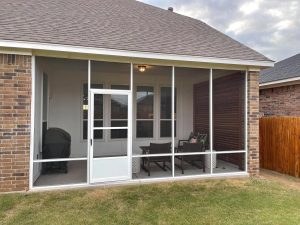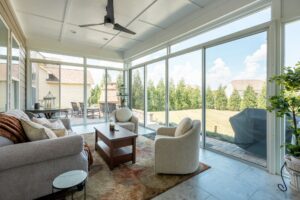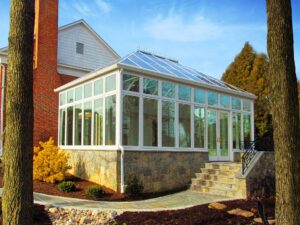
You’ve been thinking about adding a sunroom to your home in Spartanburg. Maybe you want a cozy spot to enjoy the mild Carolina seasons without dealing with bugs, heat, or unpredictable afternoon showers. It’s a smart idea. But before you start picking out furniture and imagining the view, there’s a more practical question worth asking: Is your home actually ready for a sunroom addition?
Not every home is automatically a great fit. The good news is that most homes in Spartanburg can support a sunroom with the right planning. This article walks you through the key factors that determine whether your home is a strong candidate, so you can move forward with clarity instead of guesswork.
Not sure where to start? Reach out to a local specialist who can assess your specific property and walk you through your options.
What Makes a Home a Good Candidate for a Sunroom?
The answer really comes down to four things: your available outdoor space, your home’s existing structure, your lot’s zoning rules, and your access point. Each one plays a real role in what’s possible for your project.
Available Outdoor Space
First, look at your backyard or side yard. A sunroom addition needs enough flat or gradable ground to anchor properly. As a general rule, you’ll want at least 10 to 12 feet of clearance from your home’s exterior wall to your property line. This isn’t just about fitting the structure. It’s also about meeting local setback requirements.
Spartanburg County has zoning ordinances that specify how close any structure can be to property lines, easements, or utility corridors. If your yard is small or already has a deck, patio, or outbuilding eating up space, your options may be more limited. That said, an experienced contractor can often work with tighter lots by adjusting the footprint or recommending a different configuration.
Your Home’s Existing Structure and Attachment Point
This one matters a lot. A sunroom is typically attached to an existing exterior wall of your home, so that wall needs to be in good shape. Contractors will assess whether the attachment wall is structurally sound and whether it can support the load of a new addition.
Here’s what they typically check:
- Wall condition: No signs of rot, water damage, or significant settling
- Roof overhang clearance: Enough room to transition the sunroom roof cleanly without blocking gutters or drainage
- Door or window access: Most homeowners prefer to connect the sunroom to an existing door opening, or have a new one cut in
- Slab or foundation suitability: If you already have a concrete patio or deck slab, it may be usable as a base, depending on its age and condition
If your home has an existing deck or covered porch, that’s often a major advantage. Systems like the Sunspace WeatherMaster Model 200, 300, and 400 sunrooms are specifically built to install directly onto existing structures, which can simplify the process and reduce costs significantly.
Permits and Local Regulations in Spartanburg
Yes, you’ll need a permit. Any permanent addition to a home in Spartanburg requires a building permit from the City or County Building and Codes Department. This applies whether you’re adding a three-season room or a fully insulated four-season sunroom.
Here’s a quick look at what’s typically reviewed:
| Factor | What’s Evaluated |
| Zoning compliance | Setbacks, lot coverage limits |
| Structural drawings | Load-bearing attachment, roof design |
| Electrical plans | If lighting, fans, or HVAC are included |
| Foundation/slab | Type and condition of the base |
Working with a sunroom contractor in Spartanburg who handles permitting as part of the project is a big time-saver. It keeps the process moving and avoids costly surprises after construction begins.
Sun Orientation and Climate Fit
Spartanburg’s climate is a genuine asset here. With mild winters and plenty of sunshine across spring, summer, and fall, a sunroom gets real use for most of the year. South and southeast-facing orientations tend to give you the best natural light without making the room unbearably hot in peak summer.
If your home only allows for a north-facing addition, that doesn’t disqualify it. It just means you’ll want to think about heating options during cooler months. Fully insulated systems like the Model 400 are built for that kind of year-round comfort. If budget is a factor, a three-season option still adds significant value and usability for most of Spartanburg’s climate.
What If You Already Have a Covered Porch or Patio?
This is actually one of the best starting points. A covered porch or existing slab gives contractors a solid foundation to work with. Motorized retractable screens can even be added to covered spaces that aren’t fully enclosed, offering flexibility if you’re not ready for a full sunroom commitment.
An existing roofline also reduces structural work and keeps the project timeline more predictable. Homes with covered back porches, screened enclosures, or aging patio covers are frequently excellent candidates for a full sunroom upgrade.
Signs Your Home May Need Additional Prep
Most homes move forward without major issues, but a few situations may require extra steps:
- Sloped or uneven ground: A graded foundation or helical piers may be needed before installation begins
- Old or deteriorating slab: If your patio slab is cracked or heaving, it’ll likely need to be replaced or reinforced
- HOA restrictions: If you’re in a neighborhood with a homeowners association, check your CC&Rs for any approval requirements before you submit for a permit
- Older home construction: Homes built before the 1980s sometimes have exterior walls that don’t align with modern framing standards, which may require additional reinforcement at the attachment point
None of these is a deal-breaker. They’re just items a qualified contractor will identify during a site visit.
Frequently Asked Questions
Does my home need a concrete slab before a sunroom can be installed?
Not always. Some systems install on existing decks, patios, or new footings, depending on the design. Your contractor will assess the best base option during the site visit.
Will a sunroom addition require me to move or update any utilities?
It depends on the scope. Electrical work is often needed if you want lighting, ceiling fans, or climate control. Plumbing is rarely required unless you’re planning something more elaborate.
How do Spartanburg’s zoning setback rules affect my project?
Setback requirements vary by zoning district. Most residential zones require structures to sit at least 5 to 10 feet from side and rear property lines, but this varies. Your contractor or the local building department can confirm what applies to your specific parcel.
Can I add a sunroom to a home with a second-story deck or elevated porch?
Yes. Elevated installations are possible, though they typically require engineered drawings and may involve additional structural work at the support columns. It’s very doable with the right plan in place.
What’s the difference between a three-season and four-season sunroom for Spartanburg’s climate?
A three-season room works well for spring through fall in Spartanburg, but may feel cold in January and February. A four-season room with insulated panels and climate control gives you comfortable use year-round. Your choice really depends on how you plan to use the space.
Ready to Find Out If Your Home Qualifies?
The most reliable way to know for sure is to have someone who knows Spartanburg homes take a look at your property. Every yard, every exterior wall, and every lot is a little different. A site assessment takes the guesswork out of it entirely.
Talk to a Local Expert Before You Commit
Express Sunrooms of Spartanburg has helped homeowners across the Upstate evaluate their properties and find the right sunroom solution for their space, budget, and goals. If you’re thinking about adding a sunroom, a conversation with our team is the best first step you can take.